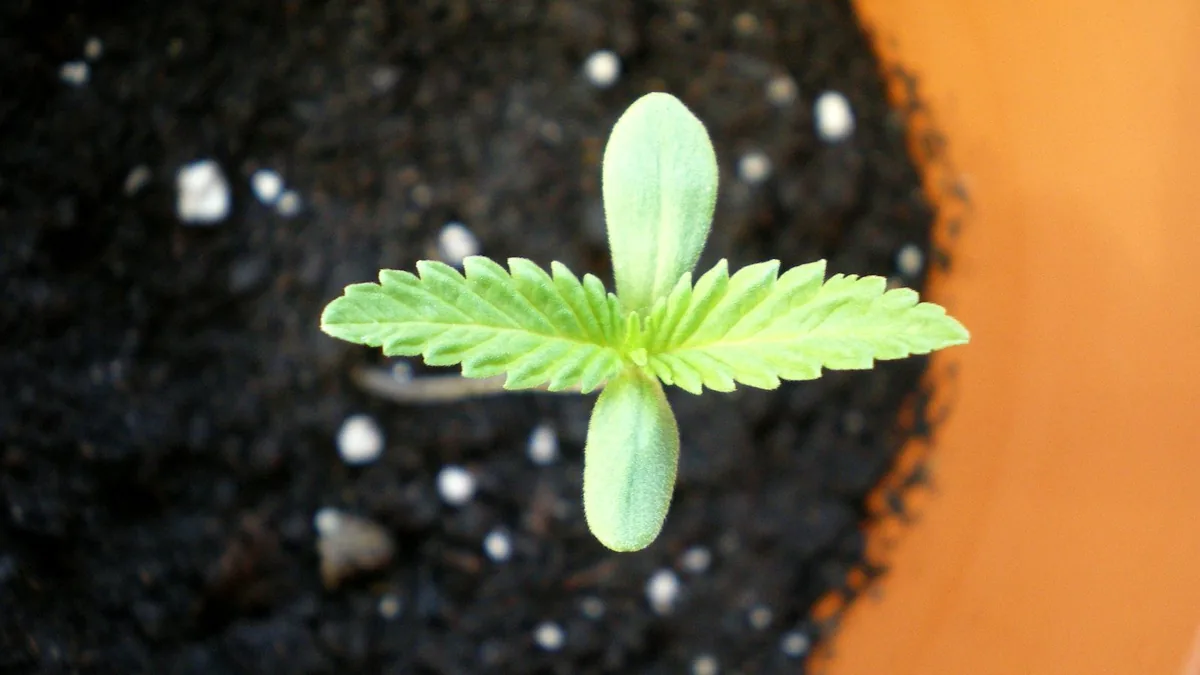

A seed germinates when water, warmth and air reach it in the right proportions for long enough. The methods below differ mainly in how well you can watch that happen, and that matters more than it sounds: far more seeds are lost to handling and standing water than to neglect.
The three conditions
Warmth. Cannabis germinates over a wide band, roughly 19 to 30°C, and fastest in the middle of it, around 22 to 25°C. Germination slows noticeably as the temperature falls towards 16°C and can stop altogether below that. Heat is a risk in the other direction: above roughly 32°C it disrupts the process rather than speeding it up. A warm cupboard beats a windowsill that swings ten degrees between afternoon and night.
Water, but not too much of it. The seed has to take up moisture continuously, but it needs oxygen just as much, and a seed sitting in standing water gets none. Aim for damp, not wet. Tap water is usually fine; leaving it standing for a day lets chlorine dissipate, and a pH between 6.0 and 7.0 avoids the extremes.
Darkness. Light makes no difference until the seedling breaks the surface. A germinating seed gains nothing from it, and a covered plate holds humidity better.
Paper towel
This is the usual method, and the only one that lets you watch. Lay the seeds between damp sheets on a plate, cover them with a second plate, and keep it warm and dark. Check every twelve hours, keep the towel damp, and expect a white taproot through a split shell within 24 to 72 hours.
Move each seed into a hole in the medium as soon as the root is one to two centimetres long, root pointing down. Any longer and it starts to grip the paper and tears when you pull it free. That single moment accounts for most of the losses in this method, so have the pot ready before you look.
Straight into the medium
Sowing straight into the medium skips the transplant, which is the step that damages roots. Make a hole half a centimetre to one centimetre deep in damp, light medium, drop the seed in, cover loosely without pressing it down, and keep the surface from drying. Seedlings surface in three to seven days.
The drawback is that you cannot see anything. A seed that never surfaces leaves you guessing whether it drowned, dried out, or was dead on arrival.
Autoflowers belong in their final container from the start whichever method you use. They flower on age, so any days lost to transplant shock are days they never make up.
Soaking
Older seed and hard shells sometimes need help taking up water. Put them in a glass of room-temperature water, in the dark, for twelve to twenty-four hours and no longer. The ones that sink have taken on water and should go straight onto towel or into medium. After a day the risk of drowning them outweighs anything you gain.
When a seed does not come up
Under the conditions above, a seed with no taproot after seven days is almost certainly dead rather than slow. Seeds stored cool, dark and dry stay viable for years, but germination rates fall with age, and two to three years is a reasonable point to expect losses. The shell tells you very little: colour and pattern vary from variety to variety, and the old rule that dark, striped seeds are the good ones does not hold up.
If a whole batch fails, the conditions are the first suspect, not the genetics. Cold is the most common cause, waterlogging second, handling third.
After the taproot
Once the seedling is up, what it needs changes: light, gentle airflow, and a medium that dries a little between waterings. Seedlings drown far more often than they starve, and the seed has already packed what they need for the first few days. Feeding starts later; the guide on indoor growing basics covers what comes next.