_4.webp)
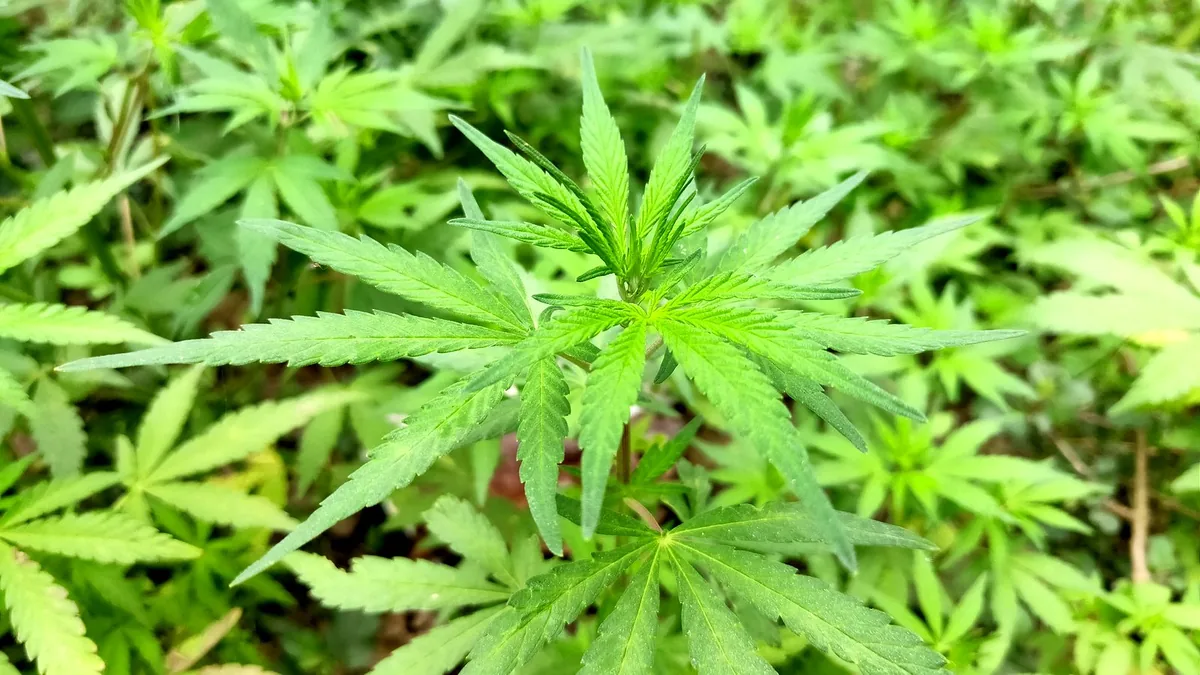
Almost every seed listing carries one of three words: indica, sativa or hybrid. They are printed with enough confidence to sound precise, and they stopped meaning what they once meant a long time ago.
Where the words come from
Both names started out as botany. Cannabis sativa was described in Europe in 1753, Cannabis indica forty years later from plants growing in India. The distinction was between the tall fibre plants of the north and the shorter, resinous plants of the subcontinent, and it held for two centuries.
Growers then took the two words and used them for something else: the shape of the plant and the effect people reported. Broad-leaved and squat became "indica", narrow-leaved and lanky became "sativa", and by the 1990s the words had left taxonomy behind entirely.
What genetics found
That borrowed meaning does not hold up when it is tested. A 2015 study of 81 marijuana and 43 hemp samples reported only a moderate correlation between a strain's genetic structure and its stated indica or sativa ancestry, and found that strain names frequently fail to reflect any consistent genetic identity. Later work reached the same conclusion from the chemistry: labelling tracks a handful of aroma compounds far better than it tracks ancestry, with sativa-labelled plants tending to carry more bergamotene and farnesene, made by terpene synthase genes clustered on two chromosomes.
So the label is a rough description of smell and shape, written by breeders and shops rather than measured in a laboratory. Two plants sold as indica can be less closely related to each other than either is to something sold as sativa.
What the labels still predict
They are not useless. Applied to a catalogue they still cluster real growing traits, because breeders have selected along those lines for decades. The 2426 strains indexed here divide into 940 indica, 488 hybrid and 482 sativa, and the differences between those groups are smaller than the usual claims suggest.
| Indica | Hybrid | Sativa | |
|---|---|---|---|
| Strains here | 940 | 488 | 482 |
| Median flowering time | 56 days | 56 days | 56 days |
| Median price per seed | €7.10 | €7.10 | €7.10 |
The gap in flowering time is real but modest. Guides commonly quote 45 to 60 days for indica against 60 to 90 for sativa; in this catalogue the median difference is a matter of days, because almost nothing on sale is a pure landrace any more. Read the flowering time off the strain itself; the label is a poor substitute for it.
Reading a listing
Height is what the label gets right most often, and it decides whether a plant fits the space you have. Flowering time comes second, and every strain states its own, so there is nothing to guess at. Effect is where the label is weakest: two strains with the same word on the packet can have entirely different terpene profiles, and the same plant can land differently on two people.
The shorthand that survives all of this: treat indica and sativa as descriptions of the plant rather than of the experience, and read the numbers underneath them.
Where the terms appear on this site
Every strain page states the type, the flowering window and the height class as the shop reported them, next to the price per seed. The lists of indica strains, sativa strains and hybrids are filtered on that same field, so they inherit both the usefulness and the fuzziness described above.